What Makes Plants Flower?
—Joe Stolkovich is a Master Gardener, owner of a native plant nursery, and longtime Hamilton resident. Ask Joe about your garden concerns! Contact him at hello@Jo-MarAg.comHumanity has developed specific rituals and events to mark the change of seasons. While we might depend on holidays, influencers, or our workplace calendars to maintain our schedules, plants rely on a medley of factors broadcast to them from their environment to know when the season is right to flower.
Just as the bright summer stalwarts of our gardens begin to fade, chrysanthemums, asters, and other late-season bloomers suddenly come into their own. Chronic gardeners will even begin thinking ahead to winter color and where they’ll get their holiday poinsettia this year.
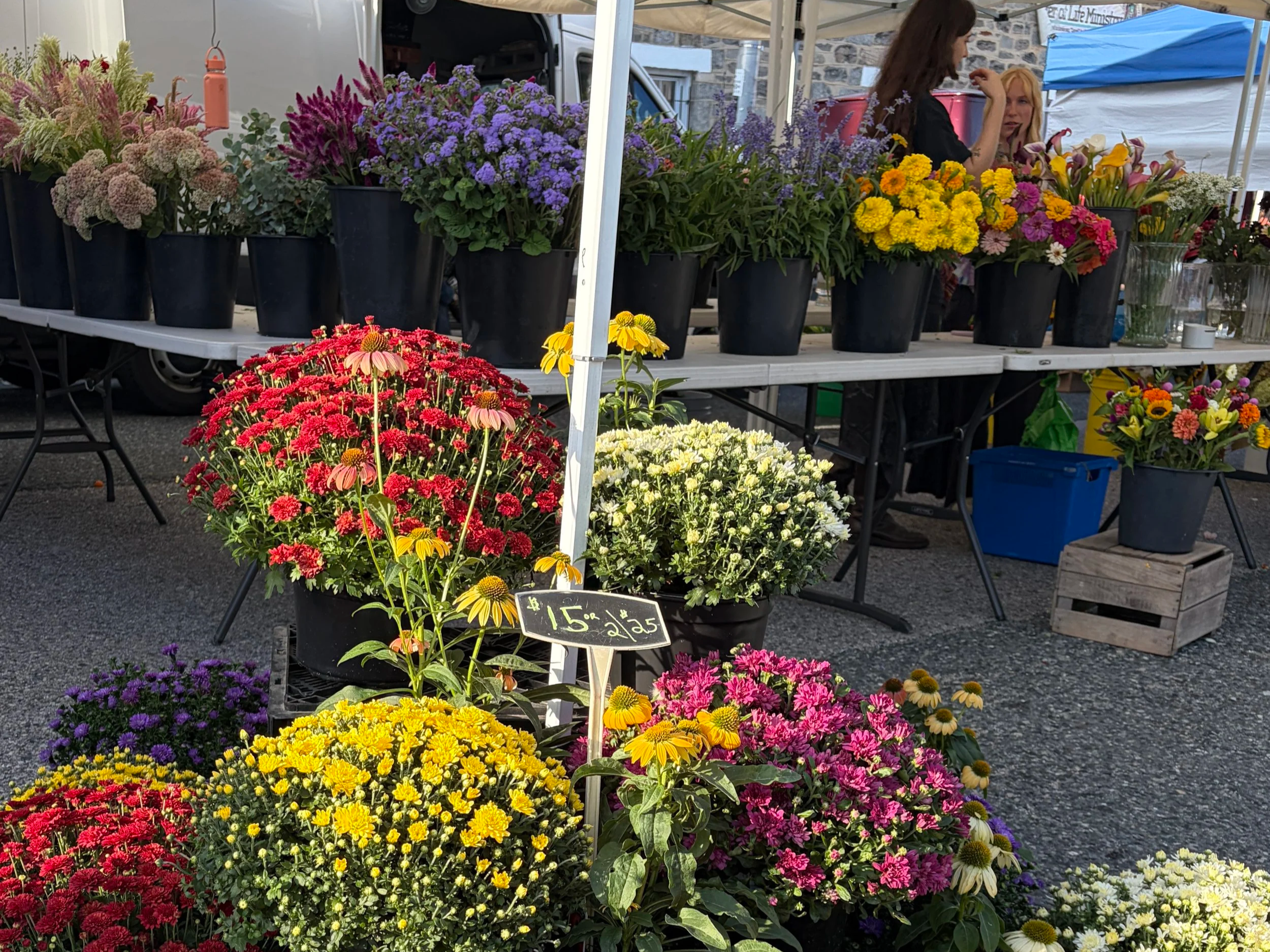
So what makes plants flower? Temperature, day length (or length of darkness), moisture, and plant maturity all play a role. In local gardens, chysanthemums and asters are perfect examples of plants that seem to know when summer is ending. These plants are short-day obligate or facultive (not as strictly adhered to depending on species) and flower in response to night length.
Practically, they are programmed to save their floral display for fall when pollinators are still active but competition from summer flowers diminishes, and the threats from the harsh summer sun and drought have faded. Mums are obligate and get the signal when nights reach 10 hours. Asters can be facultive and generally wait for 12–14 hours of darkness to shine.
For the committed plant enthusiast, winter flowering plants offer a different kind of gardening magic. Paperwhite narcissus bulbs are favorites because they don't require a long cold period before blooming. But what does that mean? Most commercially available garden bulbs require a certain period of cold temperatures that mimic winter before they are able to bloom. This keeps the plant from prematurely blooming during a short mid-winter warm spell where they would surely soon freeze again. Sometimes store bought bulbs will be “pre-chilled” to bloom when planted, so make sure to check the label. Any bulbs planted now will get sufficient chill over the next five months to flower in the spring.
For the all-forgiving paperwhites, simply place the bulbs in a container with pebbles, sea glass, legos, or whatever nonbiodegradable aggregate you choose, to get the flowers and fragrance you desire in a few weeks with no chill required. Here’s some useful information.
I’ve written previously about the three separate species of ‘Christmas cactus.’ Each is named due to their flowering regimen(Thanksgiving, Christmas, Easter) but they are all short-day obligates that flower at 12–14 hours of darkness day-cycle. If you purchase your plants in season, you’ll probably get them in-flower. If you are taking care of a plant you have had over the summer, take note of where you place them indoors. If you want flowers again, keep them in a room that gets the same amount of consistent nighttime darkness—with no incidental light!—as your species’ eponymous season, at least several weeks before you want them to bloom.
And those wonderful mass-marketed holiday poinsettia? Also a short-day obligate, poinsettia will be set naturally to start flowering in the Northern Hemisphere in the fourth week of September. They will need a full 8–10 weeks to flower and develop color.
Keep an eye on these factors to make sure your fall and winter bloomers stay true—and keep them in mind for your planting next spring.