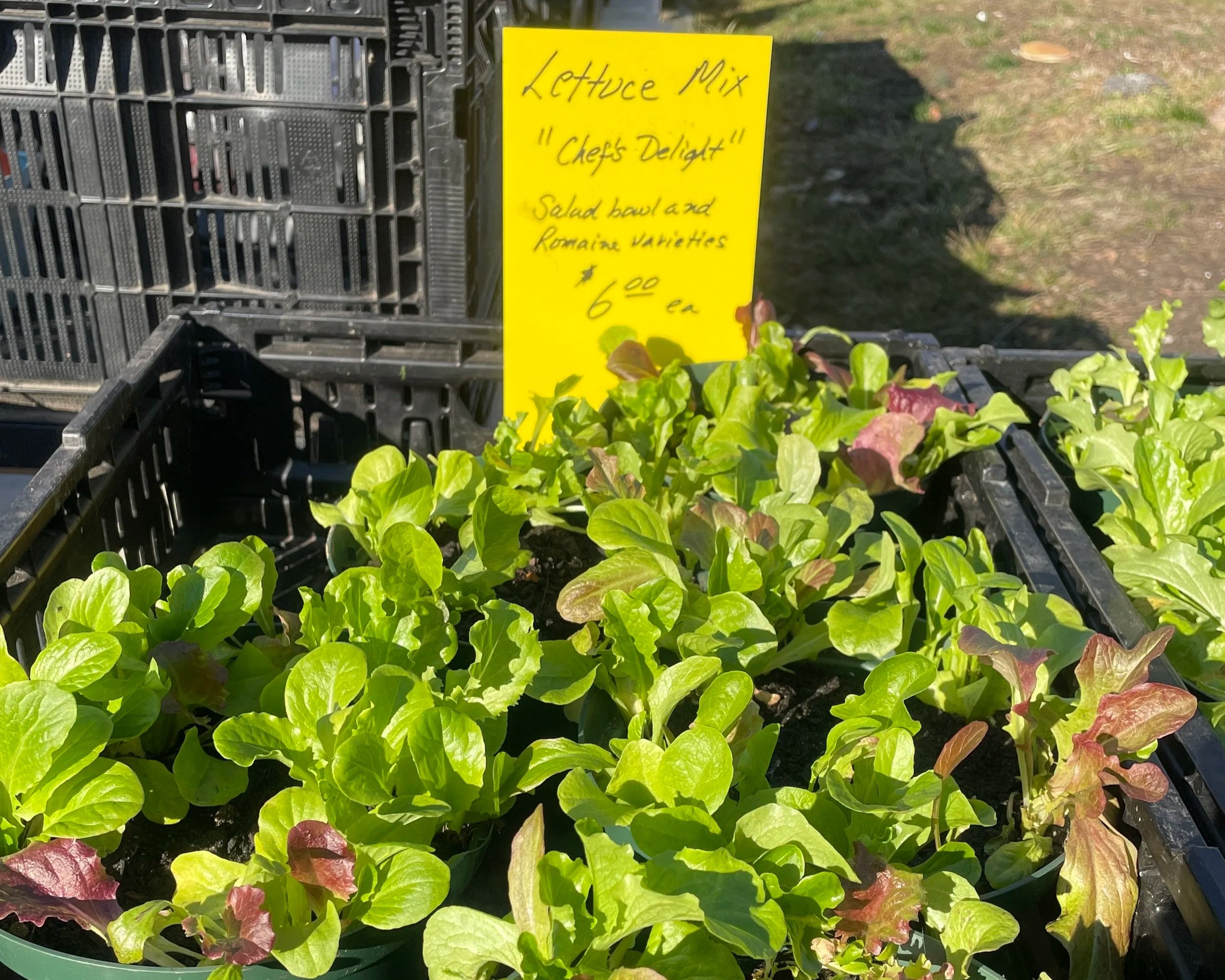
“You got ’em, now you gotta plant ’em!”
Joe Stolkovich, Master Gardener Class of ’09, is a longtime Hamilton resident and owner of Jo-Mar Ag. LLC, a native plant nursery. Ask Joe about your garden concerns! Send him a picture of the problem plants! Contact him at hello@Jo-MarAg.com.They say fall is for planting. We say anytime is for planting! But, how do we treat potted and bareroot transplants in a manner that ensures success this spring? There are a few considerations depending on what, where, and when you are planting.
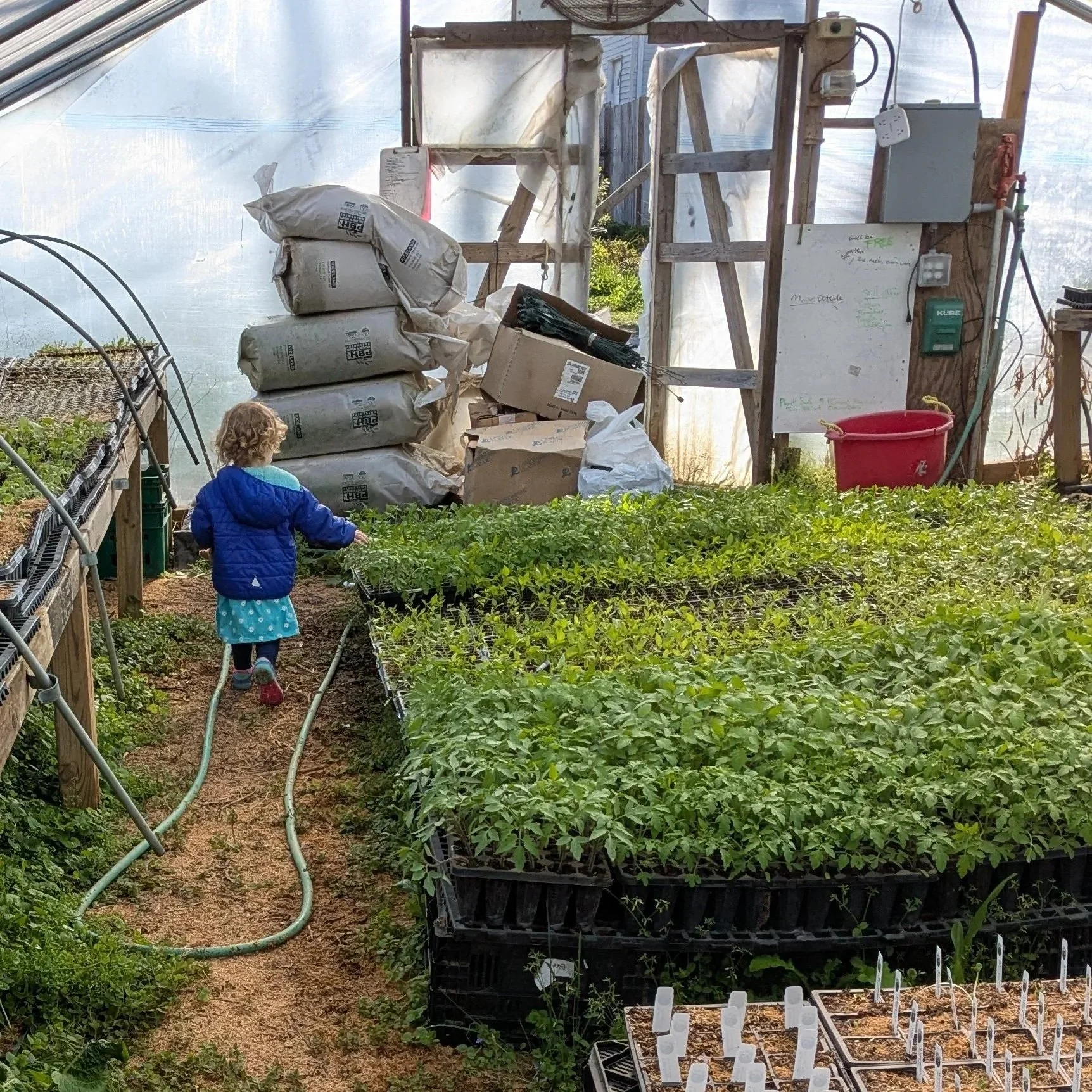
First consider soil and air temperature. You can plant pansies, dormant perennials, and bare-root specimens anytime the ground is not frozen. These plants actually benefit from cooler conditions as they transition to their permanent locations. Conversely for warm-season vegetables and annuals, temperatures that are too low can stunt growth, and increase vulnerability to fungal diseases leading to damping-off. Eggplants, tomatoes, and squash perform best when soil temperatures reach 65°F, and peppers benefit from waiting another week or so until soil temperatures warm to at least 70°F. The MD Extension has a great vegetable schedule here: UME Planting Calendar.
Soil moisture is also critical. If the ground is very dry, water it the day before planting to let the moisture percolate overnight and distribute evenly. If you dig a hole and hit water, you’ll need to figure why the soil is flooded, how often it occurs, and if you can divert it. It may not be a good spot for a vegetable or rose garden but may be a great place to plant some wetland friendly natives like Blue Flag Iris, Cardinal Flower, or Swamp Milkweed.
Dig holes twice as wide and deep as the root ball when planting. This helps loosen and incorporate oxygen into the soil. Mix in a bit of compost, and voilà, you’ve created an ideal environment for strong root growth.
The plant—whether potted, bare root, or grafted—needs attention as well. Unpack bareroot specimens immediately after receipt and soak in water to rehydrate for a few hours before planting. Make sure you spread out the roots before you backfill and always make sure any graft lines are above the soil surface. For grafted trees and shrubs, a clear distinction will be visible from where the top graft is attached to the roots. If you plant this below the soil surface, you are likely to get rootstock shoots that will not match the cultivar you were expecting. Inspect the roots of all bare root, potted seedlings and specimens before planting to remove any obviously dead sections and carefully tease apart rootbound specimens for better growth. If you are putting out seedlings that you raised indoors, congratulations! Make sure you gradually introduce your indoor plants to full sunlight to avoid sunscald.
The right aftercare is particularly important. Water them in well, and make sure you maintain adequate moisture for growth. Pay special attention to pests that like to bully tender seedlings.
Finally, volcanoes belong in Hawaii, not in your flower bed. When you mulch, never make a bowl of mulch around the base of shrubs and trees and definitely don’t take it to the next level by building a mound of mulch with a crater around the trunk. While this may seem like a good idea to maintain water, it does the opposite by restricting surface waterflow. The mulch will eventually wash into the crater and bury the crown of your plant, possibly causing death in the long-term, or cover grafts which can create unsightly suckers and branching from rootstock. An even coat of mulch that leaves your crowns and grafts exposed is best.
The weather is changing and I personally can’t wait to get digging!