Experience the World…on 32nd Street
—Stephanie Shapiro has been a Market regular for nearly 40 years. She lives in Tuxedo Park with husband Tom and dog Archie.

—Stephanie Shapiro has been a Market regular for nearly 40 years. She lives in Tuxedo Park with husband Tom and dog Archie.
Whatever it is, the way you tell your story online can make all the difference.
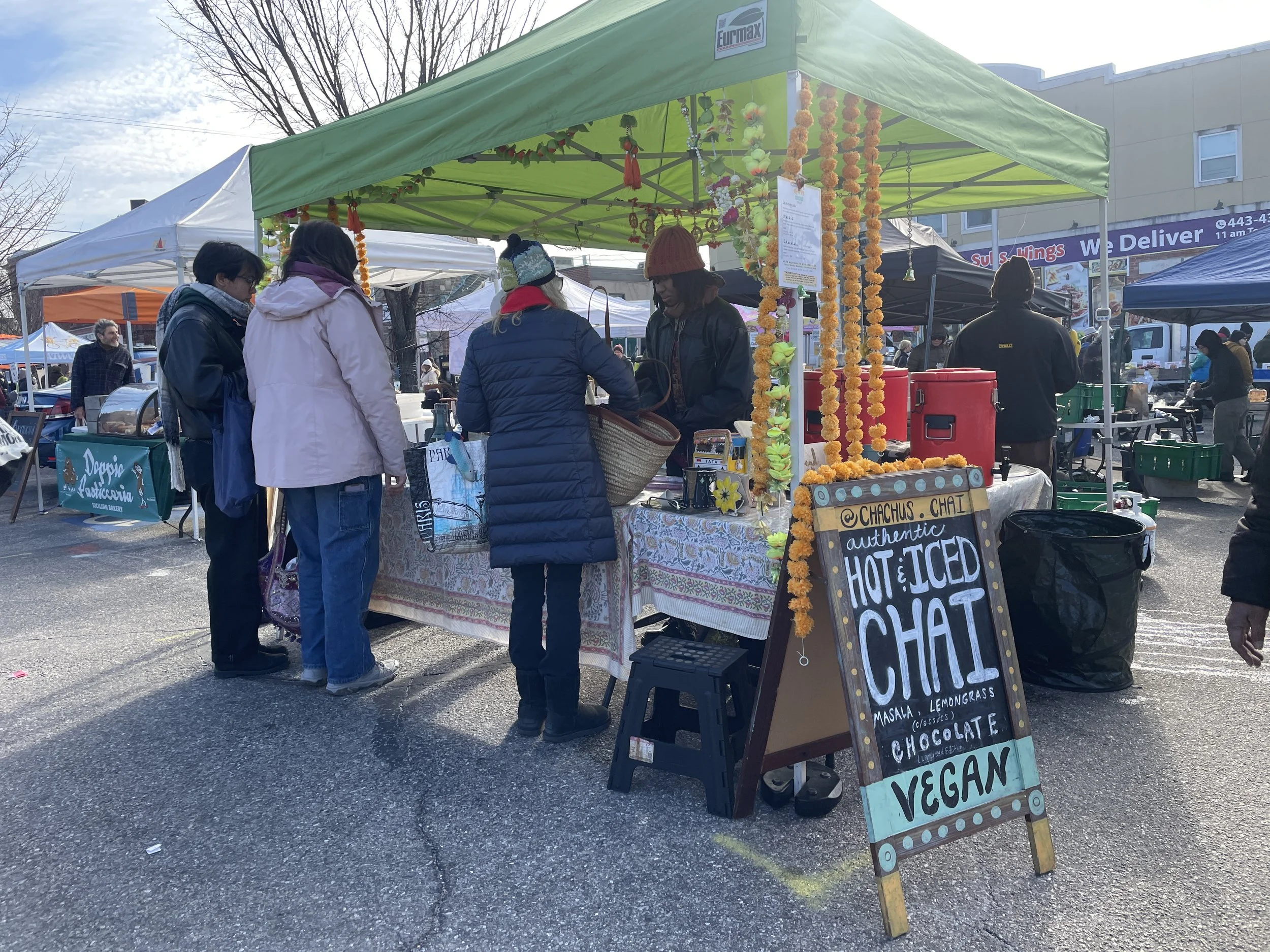
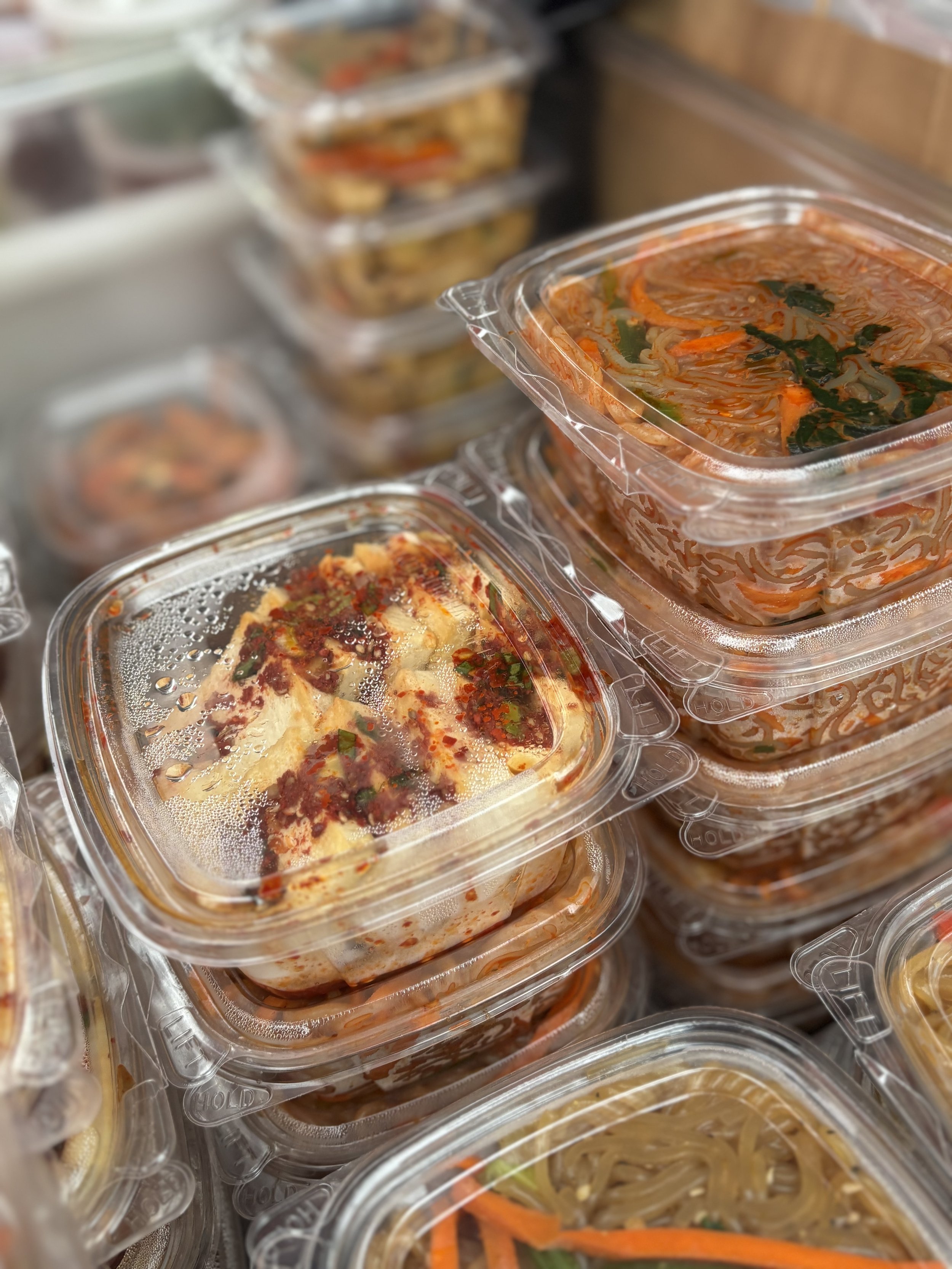
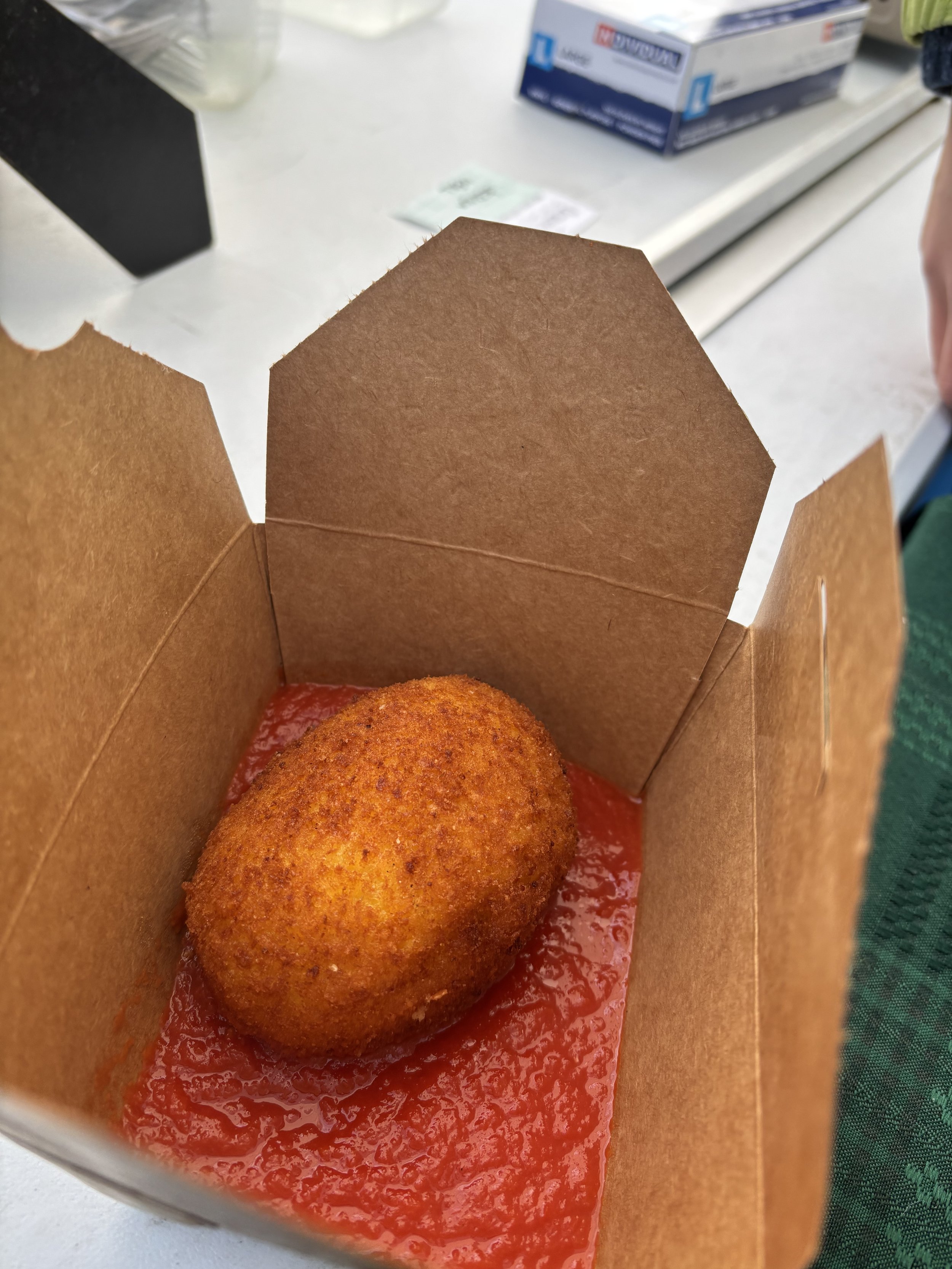
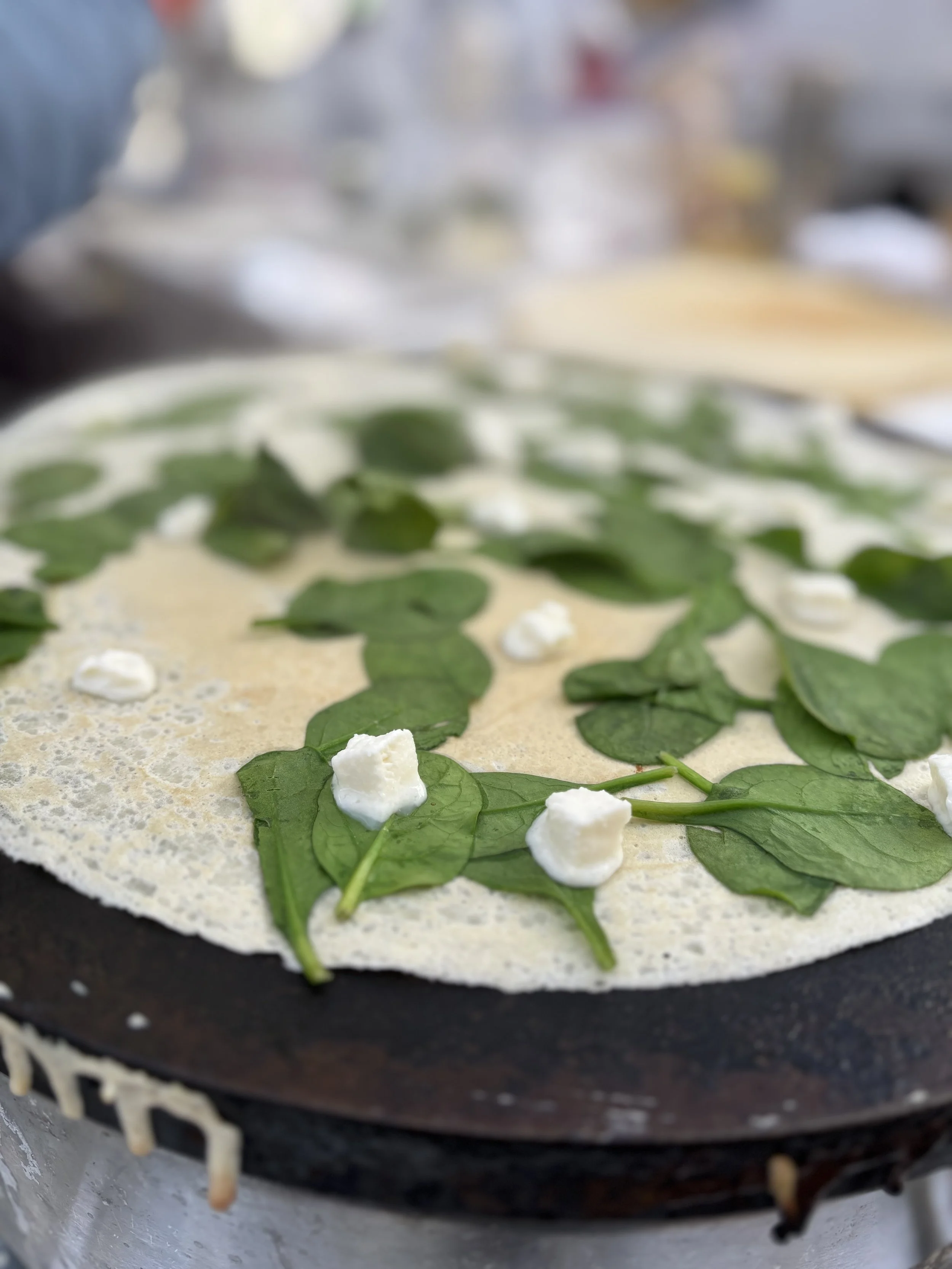
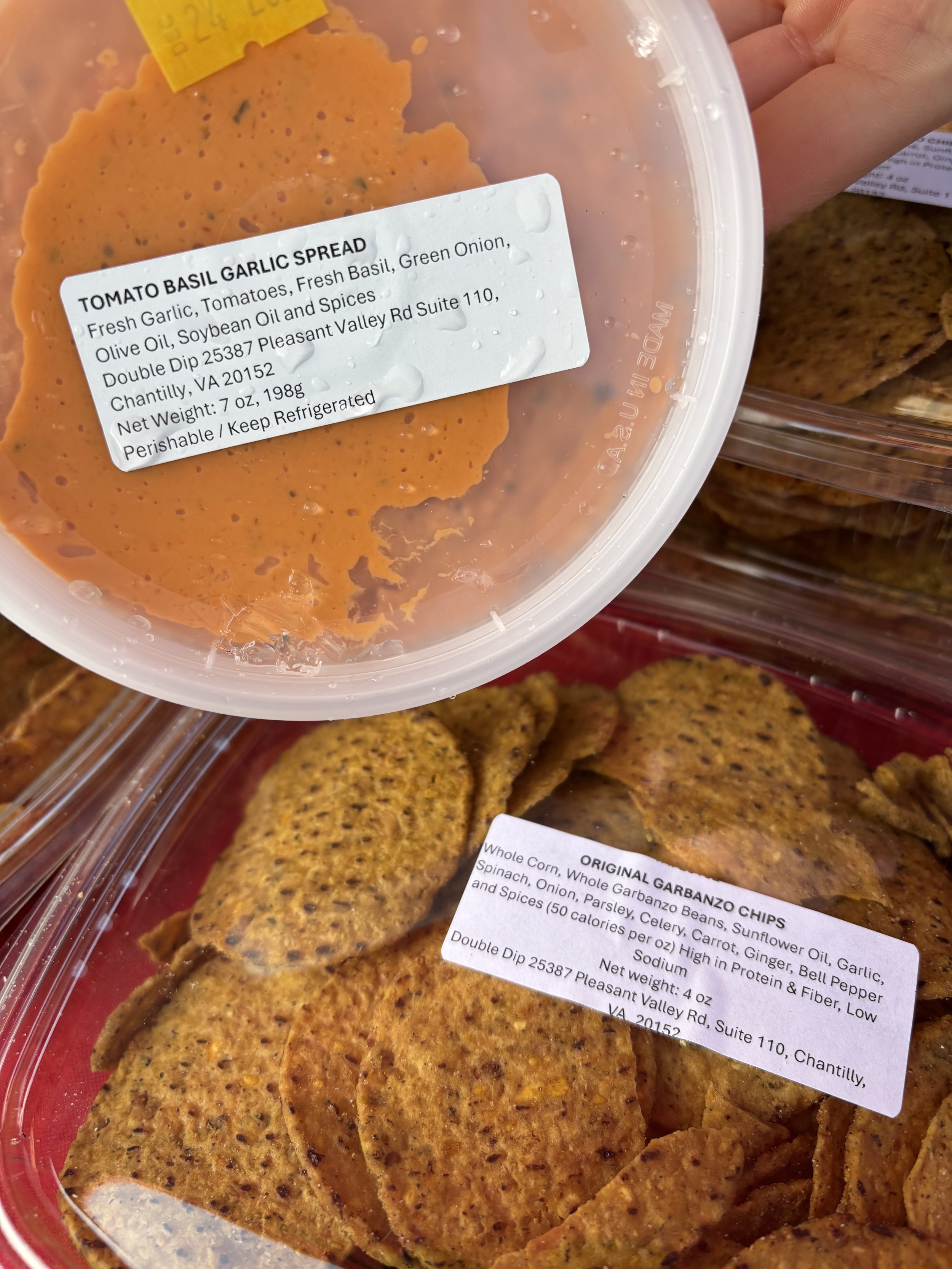
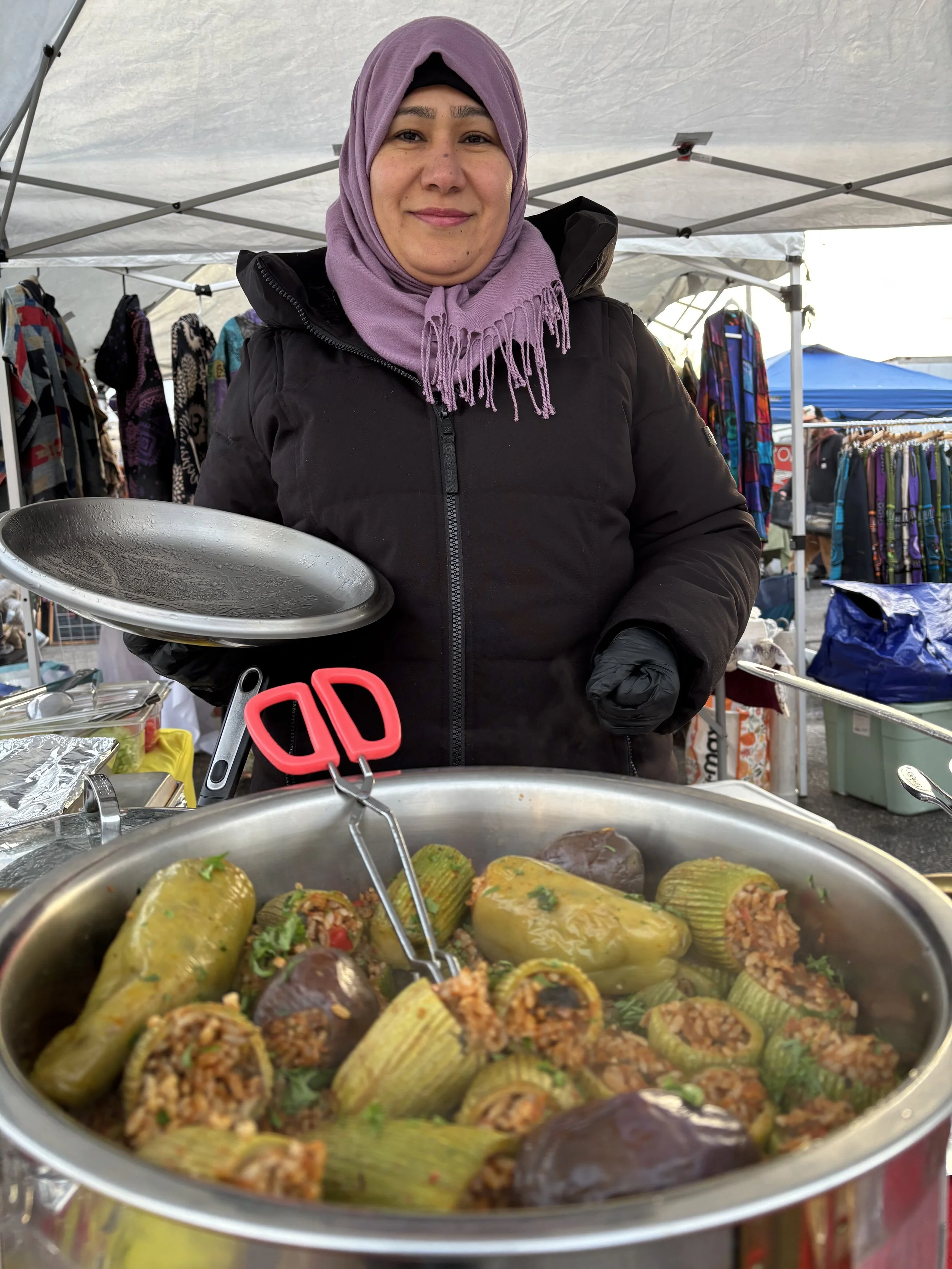
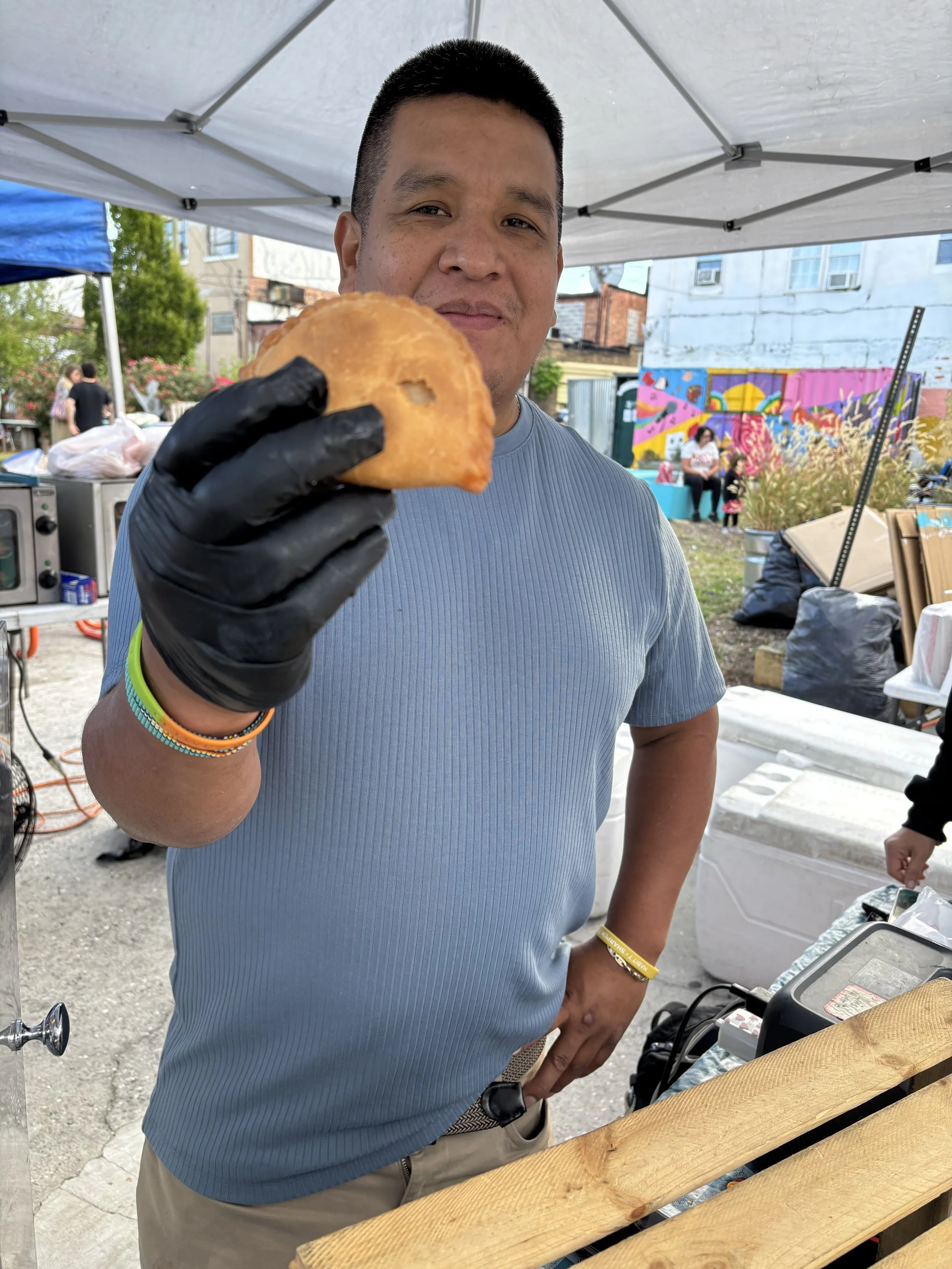
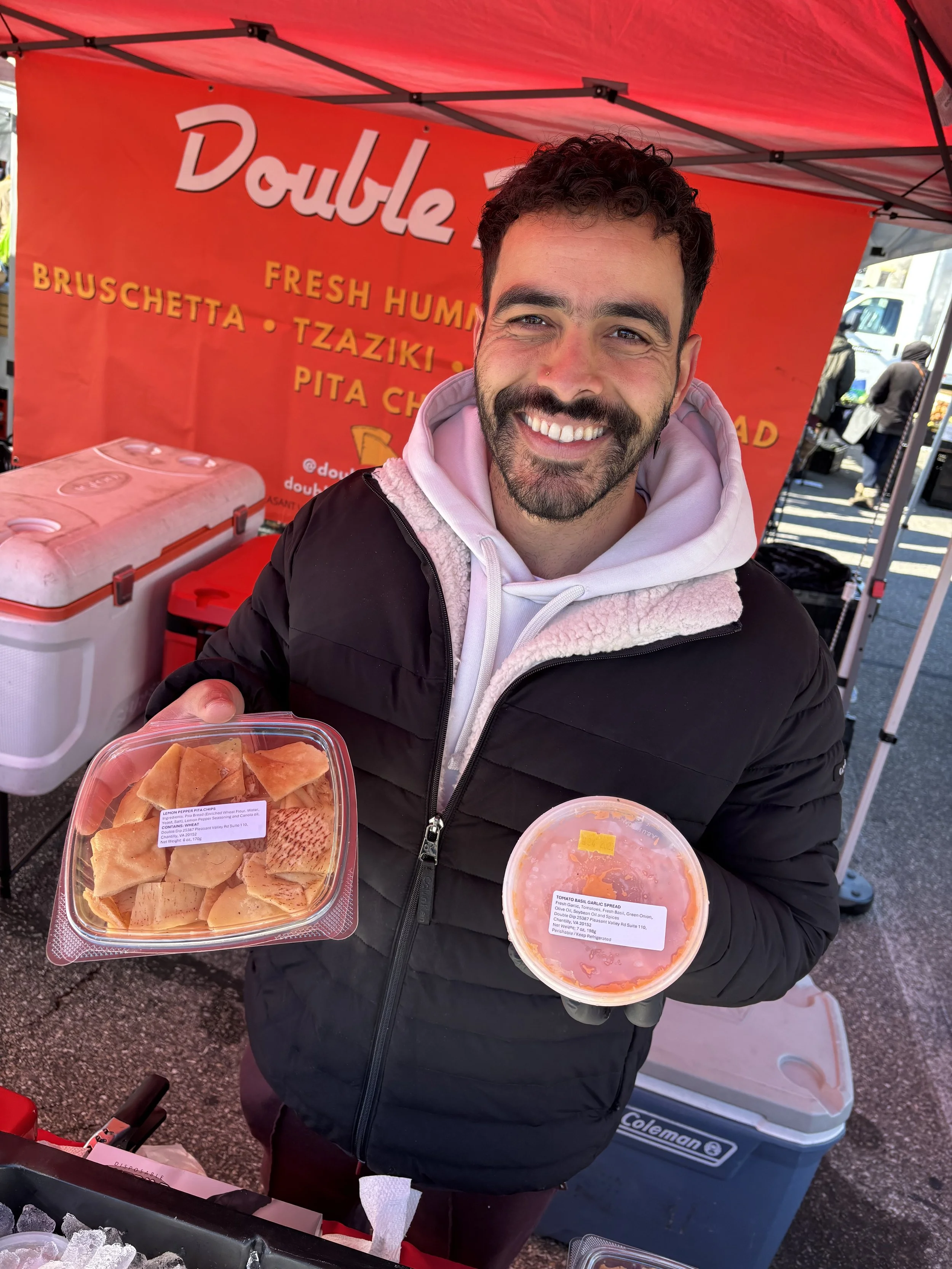
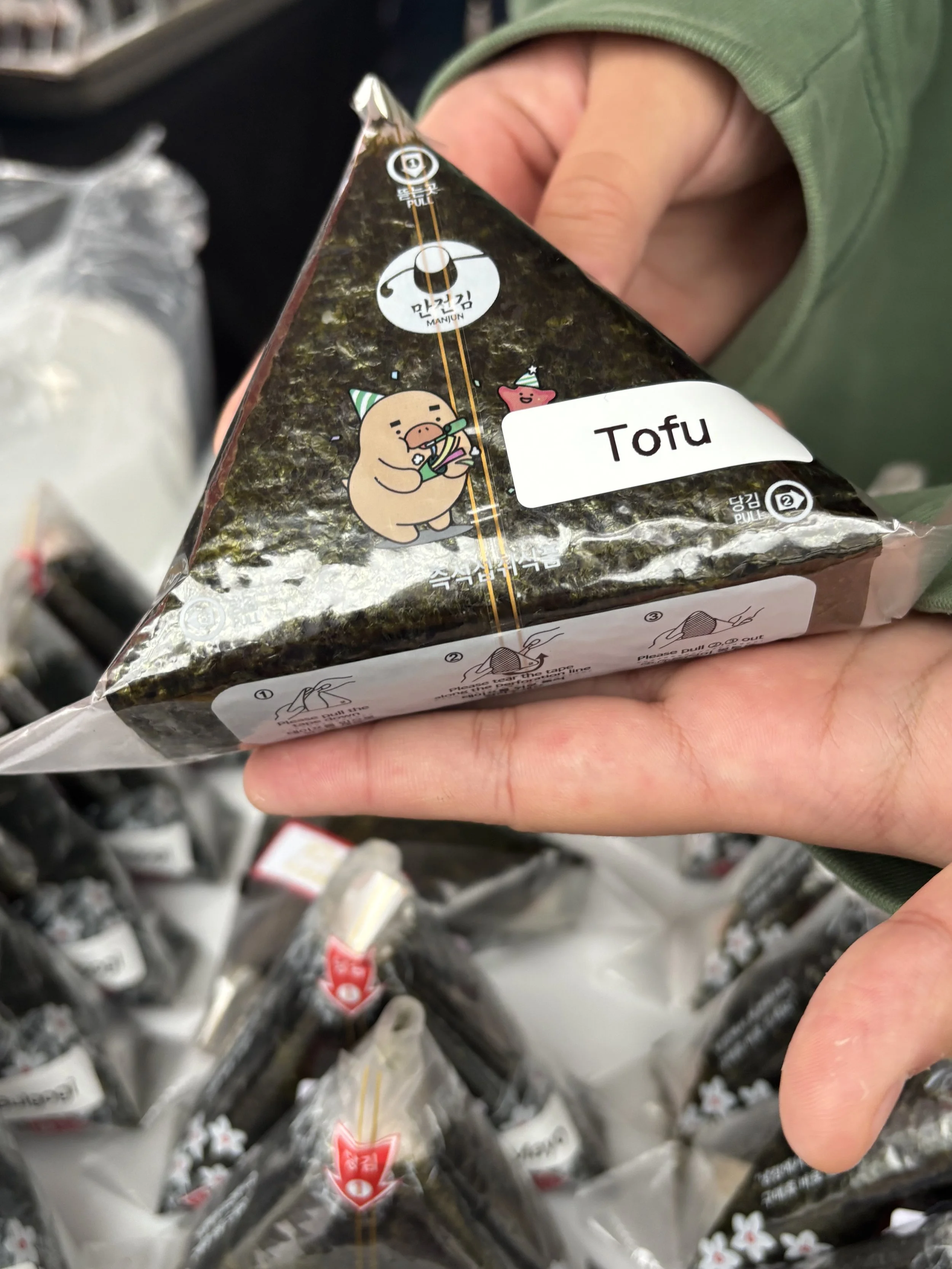
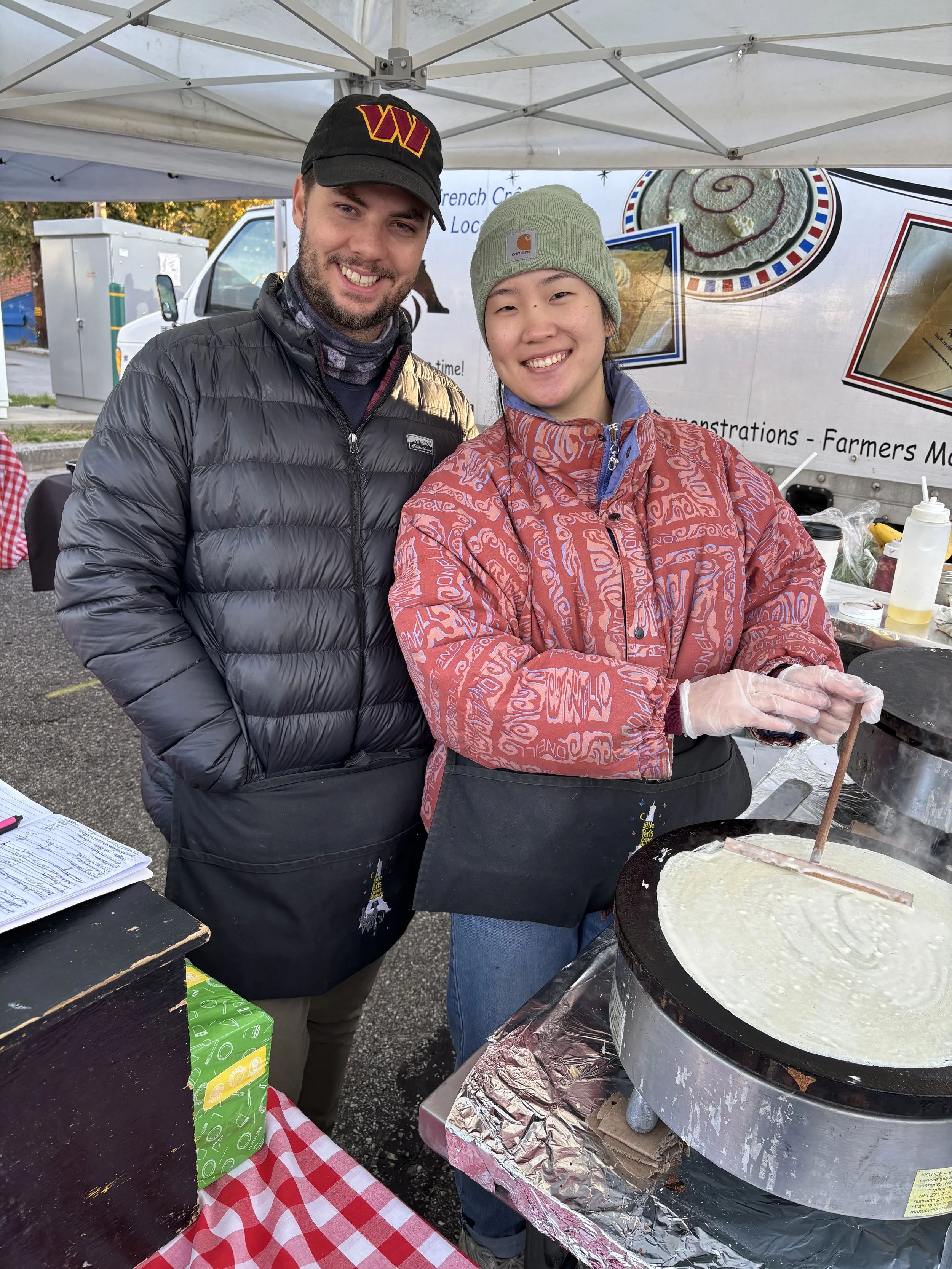
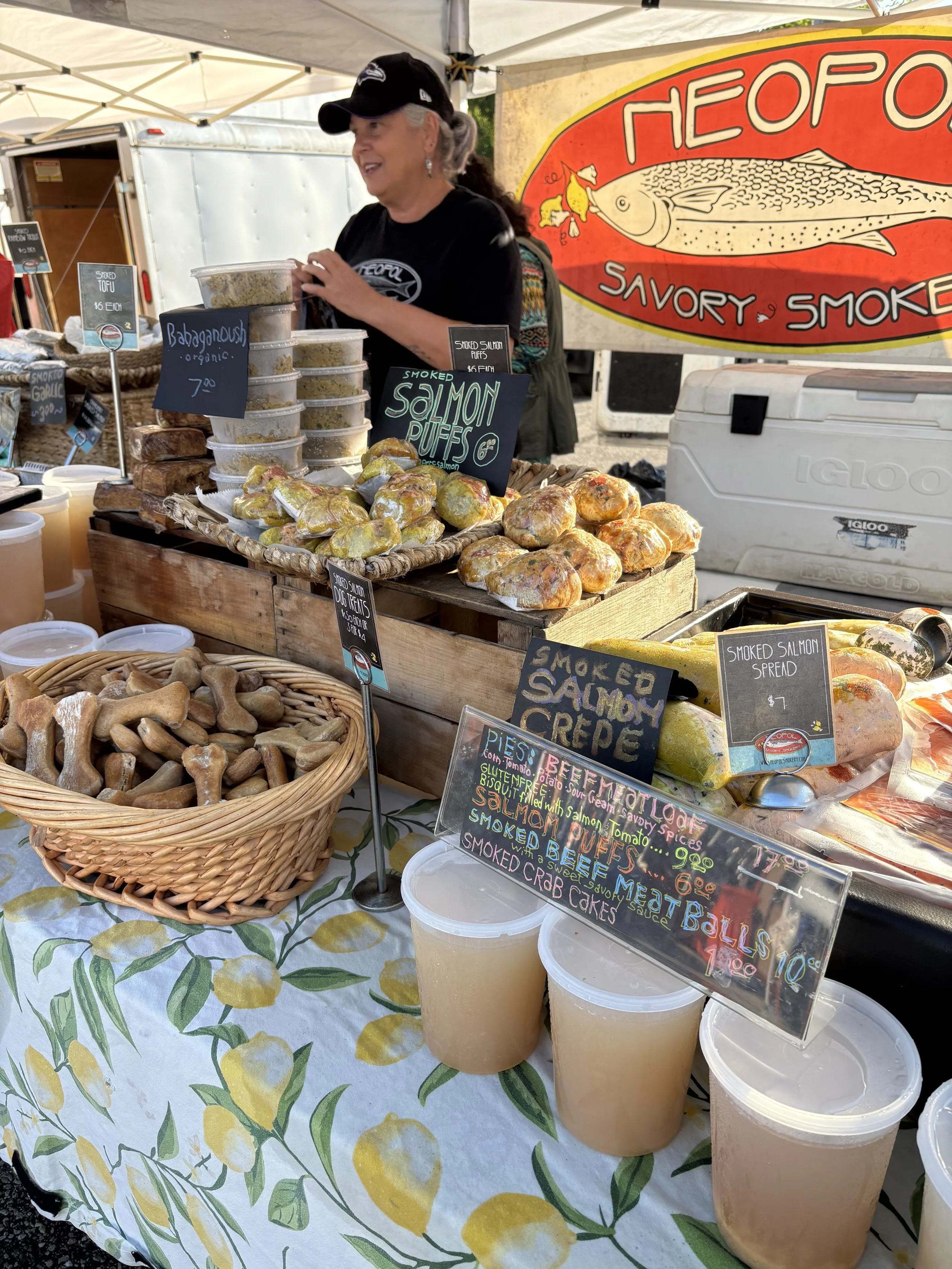
Anyone who doubts that the United States is a country of immigrants should stop by the 32nd Street Farmers Market. There, you’ll find vendors from around the world selling a cornucopia of international foods.
From the Korean spicy pork belly bulgogi and vegan butternut squash tamales at Lone Star to the Egyptian koshary and “foul”— a fava bean stew— at Nada Kitchen, the market’s roster of vendors reflects how each wave of newcomers to this country has awakened our palates to delightful new flavors, spices and cooking methods.
The farmers market is a culinary stage for Lone Star chef Johnny Blackerby, a Korean American from Texas. On Saturday mornings, customers can watch him at the grill calmly slinging dozens of Korean and Tex-Mex orders. “We want to represent the melting pot of Baltimore and the region, too, by bringing our history and culture of where we’re coming from and be able to serve that to the Baltimore community,” Johnny says.
According to the U.S. Department of Agriculture, the country’s first farmers market was established in 1730 in Lancaster, PA. Increasing urbanization brought more and more farmers to cities throughout the U.S. to sell produce, baked goods and other foodstuffs. Over time, growing numbers of entrepreneurial immigrants began to prepare and sell signature dishes from their home countries at area farmers markets. Today, many of the nation’s nearly 9000 markets are at once a source of employment for immigrant vendors, a catalyst for strengthening community and a place where customers make new culinary discoveries.
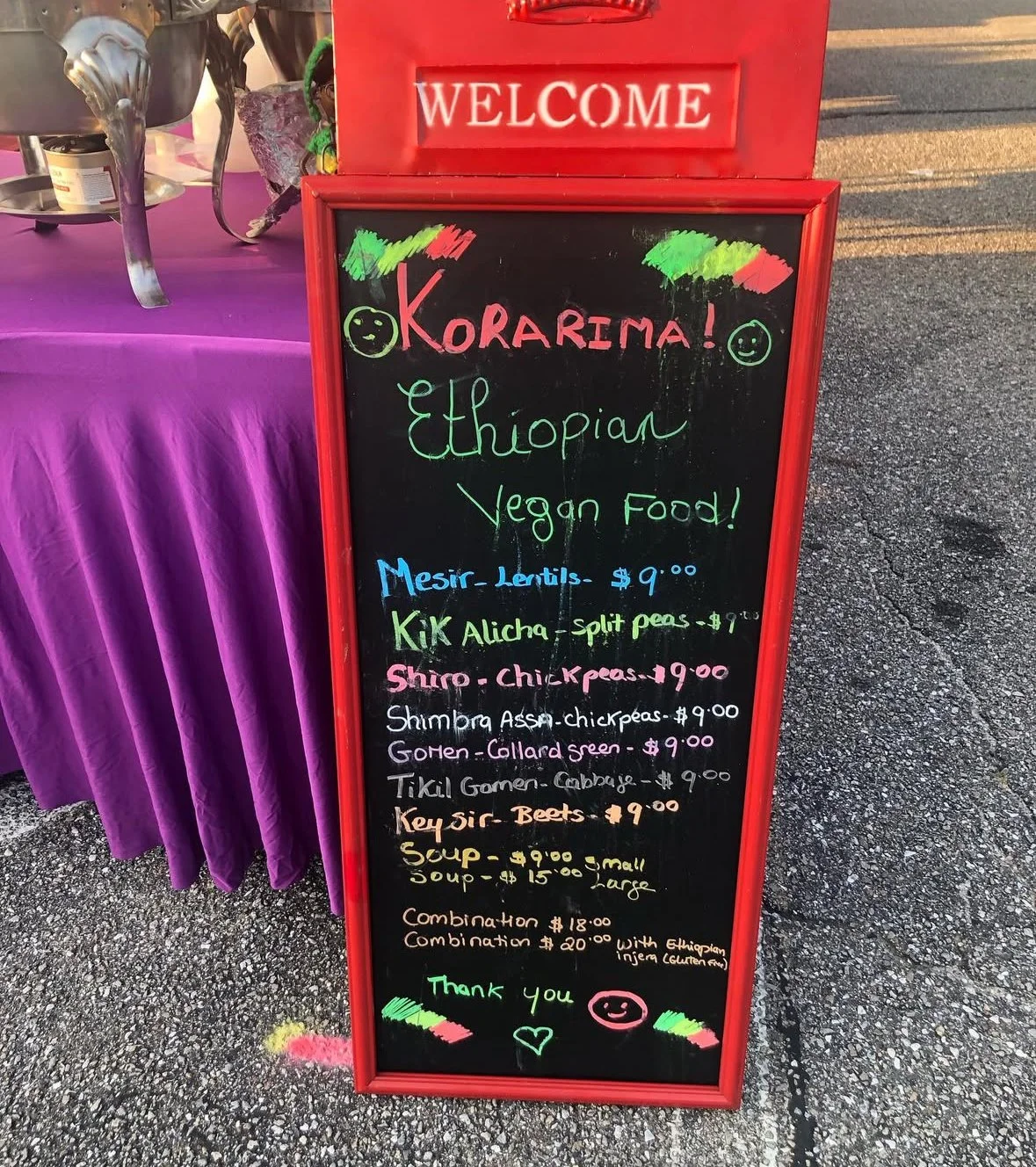
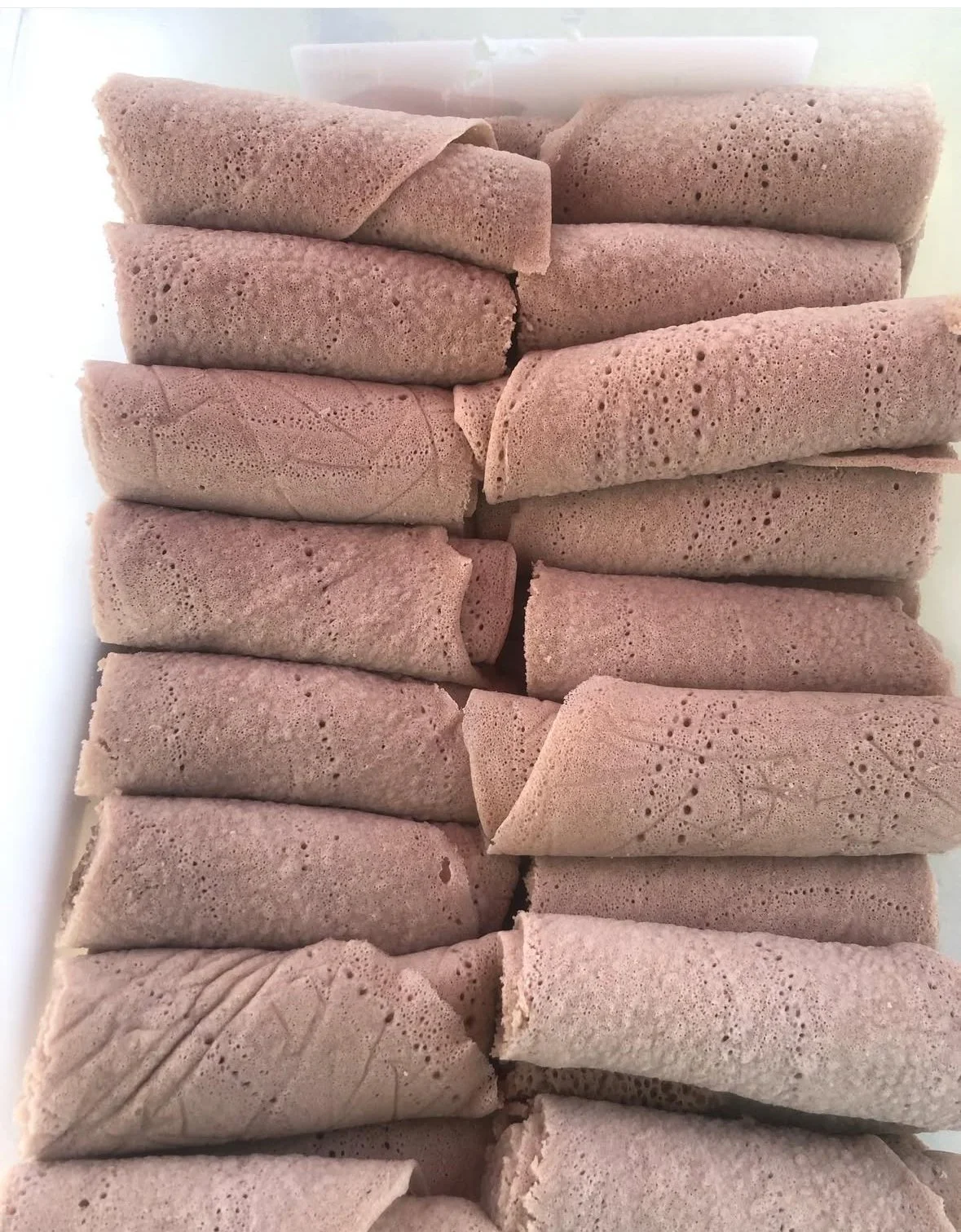
Gena and Bill O’Keefe, market regulars for 36 years, cherish both the continuity of the market—buying from the same vendors, running into friends— and the surprises they encounter. “With the addition of more vendors from around the world, it is just so interesting to be able to sample Ethiopian, Egyptian and Mexican foods at the market and talk with the vendors about their food offerings,” Bill says. “They are passionate about sharing their own culture with market-goers.”
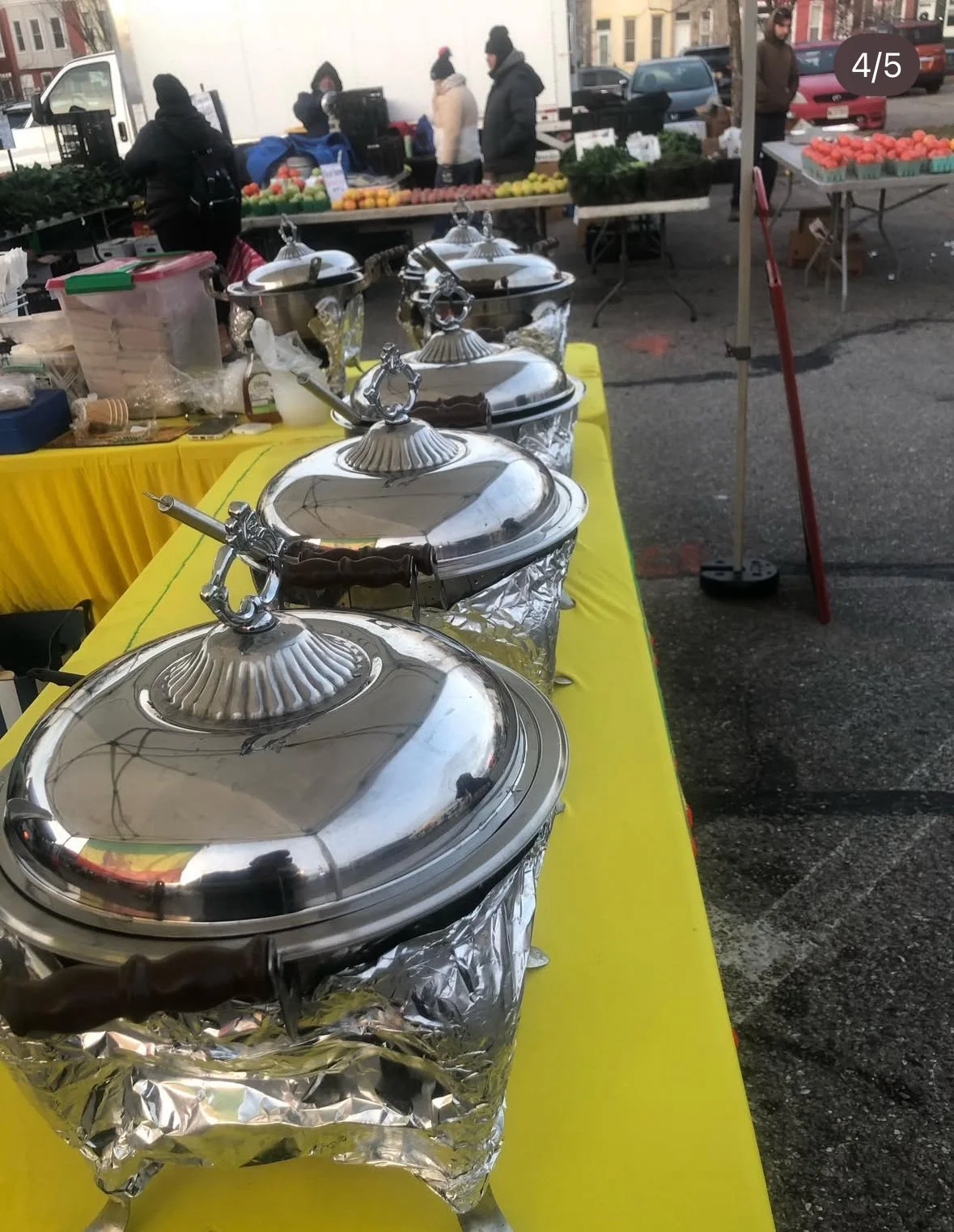
For vendors from other countries, the market is a place to help one another, maybe even in defiance of their native countries. A dispute over water rights between Egypt and Ethiopia didn’t keep Alyaa Ibrahim of Nada Foods from befriending Korarima’s Helen Tilahun and Daniel Wasse, who prepare and sell food from their native Ethiopia. “The unfriendliness is not between people,” Daniel says.
He met Alyaa through the Village Learning Place, where he taught two of her children. With his and Helen’s encouragement, Alyaa started to sell her soups and stews at their booth. Soon, she graduated to a booth all her own where business has continued to flourish.
All along, Alyaa and her family have only grown closer to Helen and Daniel. Not long ago, the couple were Alyaa’s guests at her family home in Egypt. “It’s personal relationships that matter more than anything,” Daniel says.
Although he’s referring to friendships made against the backdrop of geopolitical conflict, Daniel may as well be summing up what matters more than anything at the 32nd Street Farmers Market.